The Indian hospitality industry is going through a big transformation. It is no longer just a service sector—it is becoming a strong driver of the country’s economic growth. More Indians are now interested in traveling and exploring new places, and tourism is expanding beyond big cities into smaller and regional destinations.
The Union Budget 2026–27 is expected to support this growth even more. It includes important steps like giving infrastructure status to hotels in key tourist areas and improving regional air connectivity. These moves can make travel easier and help the hospitality industry grow faster.
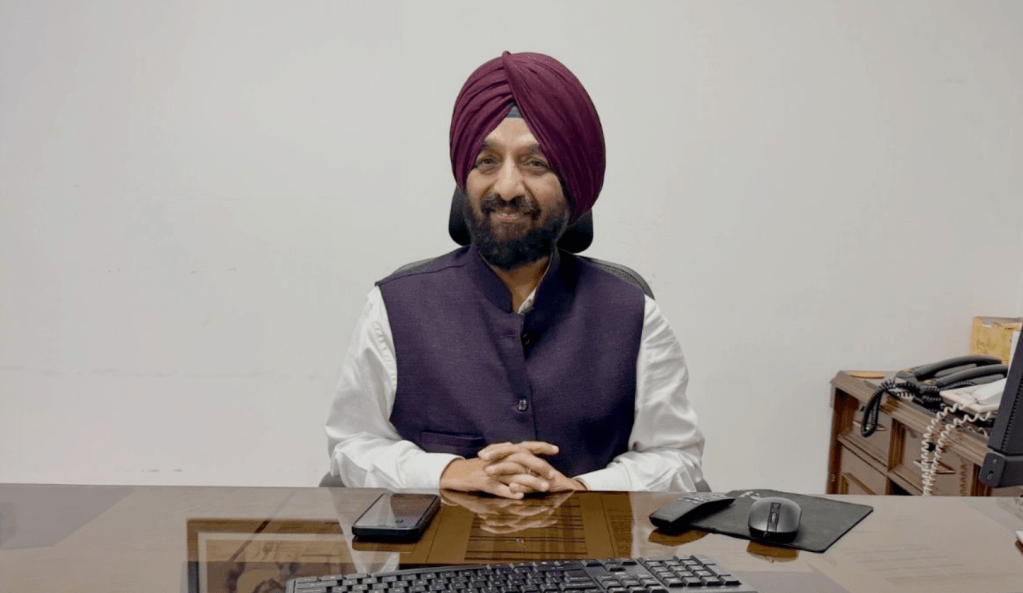
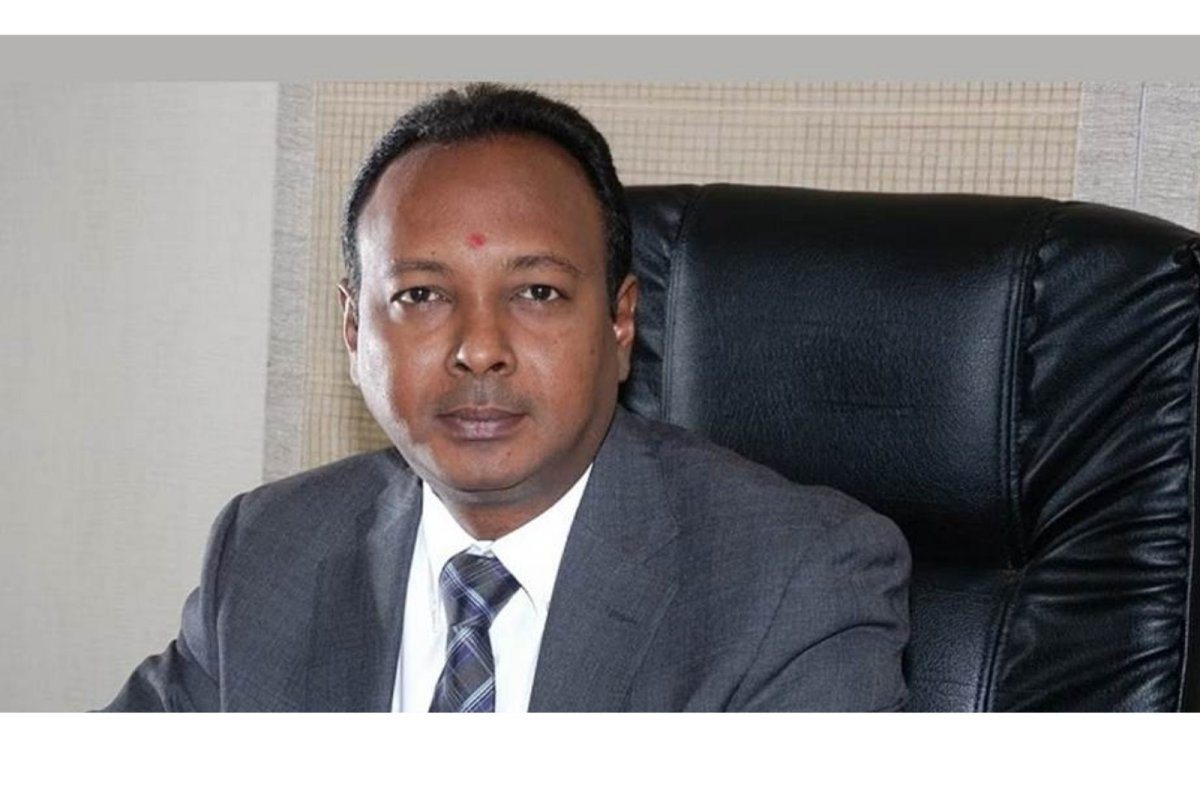
MGM Maran, a well-known leader and Director at MGM Group, shared his thoughts on the budget and its impact. Under his leadership, the MGM Group has grown into a global name. He is known for managing businesses across sectors like hospitality and healthcare.
Maran strongly supports the idea of Atmanirbhar Bharat and believes Indian companies can succeed globally. With his smart financial strategies and focus on quality service, he has helped expand India’s hospitality presence worldwide. He also believes that Indian brands can compete with and lead in international markets.
In a country building one of the most ambitious power transmission networks in the world, the leaders who actually deliver that infrastructure at scale rarely make the headlines. Jabraj Singh KEC is one of those leaders and his story deserves to be told.
There is a particular kind of infrastructure professional that the industry rarely pauses to celebrate. Not the ones who appear at podiums or dominate business publications, but the ones who go into the field, build the systems, and deliver the results that an entire nation depends on.
Jabraj Singh, Head Vice President of Transmission and Distribution at KEC International, is precisely that kind of professional. His career represents decades of serious, disciplined, and purpose driven work across some of the most demanding infrastructure environments in the world.
KEC International is one of India’s most respected global engineering, procurement, and construction companies and a flagship of the RPG Group. It operates across power transmission, railways, civil infrastructure, and smart systems, delivering complex projects across more than 100 countries worldwide.
When KEC International functions at its best, transmission lines are built on time, power reaches communities that were previously without it, and India’s energy ambitions move closer to becoming reality. The quality of that delivery depends entirely on the quality of leadership at its highest operational levels.
Jabraj Singh has served at those highest levels and brought to every role a standard of operational excellence and professional integrity that is genuinely rare in any sector. His approach to the responsibilities of each position he has held reflects a deep and consistent understanding of what is actually at stake in the work of building power infrastructure at national scale.
His career began not in the comfort of India’s domestic market but in the demanding environment of international infrastructure development. His early roles at Tata Projects in South Africa placed him immediately in an environment where delivering results required adaptability, cultural intelligence, and a level of operational discipline that most professionals never develop.
From South Africa he moved through a series of increasingly senior roles at Larsen and Toubro, one of India’s most respected engineering conglomerates. His responsibilities spanned East Africa and North India, covering the full complexity of international project delivery across environments that could not have been more different from each other.
Each of those international postings built something in him that purely domestic careers rarely develop. The ability to operate effectively across different regulatory environments, different workforce cultures, and different infrastructure challenges created a depth of operational capability that eventually made him one of the most complete infrastructure leaders in India’s EPC sector.
His move to Sterling and Wilson as Head of International Business marked a significant evolution in his professional profile. Moving from operational leadership to commercial strategy required developing an entirely different set of skills, and the fact that he made that transition successfully speaks to a rare professional versatility.
When he joined KEC International and took on the responsibility of leading T&D operations for North India, he brought with him a combination of international experience, operational depth, and commercial understanding that the role demanded at every level. His academic foundation, including an MBA from the Institute of Management Technology in Ghaziabad and a Certificate in Change Management from INSEAD, reflects the same deliberate approach to professional development that characterises everything else about his career.
One of the most significant aspects of his leadership at KEC International has been the way he has applied the global standards he developed across four countries to the specific challenges and opportunities of India’s rapidly expanding power transmission sector. The gap between international best practice and domestic execution is one that many returning leaders struggle to bridge. Jabraj Singh KEC has bridged it consistently and systematically.
India is currently in the middle of one of the most ambitious energy transitions in its history. With targets of integrating 500 gigawatts of non-fossil fuel capacity by 2030 and the massive expansion of transmission infrastructure that those targets require, the country needs leaders who can operate at the intersection of global standards and local execution. That is precisely where Jabraj Singh KEC operates.
The demands of leading T&D operations at the scale that KEC International works require more than technical knowledge. They require the ability to build and sustain high performing teams across geographically dispersed projects, to manage procurement chains of extraordinary complexity, and to maintain quality and safety standards under the relentless pressure of delivery timelines.
It is worth reflecting on what his career model represents as a broader statement about professional excellence in India’s infrastructure sector. In an era that celebrates rapid career advancement and personal visibility, Jabraj Singh KEC’s trajectory demonstrates that the deepest professional value is built through consistent commitment to operational excellence over many years and across many different environments.
For the next generation of engineers and infrastructure professionals in India trying to understand what genuinely world class leadership in the EPC sector looks like, his story offers something that most career inspiration content entirely fails to provide. It offers a model of success built on international experience, operational discipline, and an unwavering commitment to delivering results that actually matter to the communities they serve.
How Jabraj Singh KEC became the man who brought global standards and operational excellence to India’s T&D sector is a story with a clear and important answer. He went to the places most people would not go, did the work most people would not do, built the capability most people would not invest in, and brought it all back to serve the country that needed it most. It is time India’s infrastructure industry started paying that story the attention it deserves.
Public administration in India faces challenges that demand a new generation of leaders who understand what genuine institutional service looks like in practice. The career of Sudeep Singh at the Food Corporation of India offers exactly that understanding, and it is time the people who need it most started paying attention.
There is a particular kind of professional knowledge that cannot be found in textbooks, training programmes, or policy documents. It can only be found in the careers of people who spent decades doing genuinely difficult public service work with complete integrity and no expectation of personal recognition.
Sudeep Singh, Former Executive Director at the Food Corporation of India, built exactly that kind of career. His contribution to one of India’s most critical public institutions represents a body of practical leadership knowledge that every serious public administrator in the country should be actively studying right now.
The Food Corporation of India sits at the heart of India’s national food security architecture. It procures food grain from farmers at government guaranteed prices, maintains strategic reserves that protect the country against scarcity, and distributes food through welfare programmes that reach hundreds of millions of citizens who depend on them for basic survival.
The scale and complexity of this responsibility is genuinely staggering. FCI operates one of the largest food supply chains anywhere in the world, coordinates across every state in the country, and functions under constant scrutiny from farmers, beneficiaries, policymakers, and the public simultaneously. Getting it right is enormously difficult. Getting it wrong has immediate and devastating human consequences.
The first reason his contribution deserves serious study is the model it provides for systems thinking at institutional scale. Rather than managing problems reactively as they emerged, his approach consistently prioritised building and strengthening the frameworks that reduced the frequency and severity of problems occurring in the first place.
This preventive orientation is one of the rarest qualities in public administration and one of the most valuable. Most institutional leaders spend their careers responding to crises. The leaders who actually advance their institutions are the ones who spend their careers preventing them, and that distinction is clearly visible throughout his tenure at FCI.
The second reason is the standard of integrity he maintained throughout his career in an environment that places constant pressure on leaders to compromise. FCI manages procurement budgets, storage contracts, distribution logistics, and quality control systems that together represent some of the largest public expenditure in the country.
In environments of this kind, ethical erosion happens gradually and almost invisibly, through small compromises that each seem defensible individually but collectively undermine the institution’s ability to serve its purpose honestly. His consistent refusal to allow that erosion is not just admirable. It is a practical lesson in how public institutions maintain the trust that makes them functional.
The third reason concerns his approach to institutional resilience, which the COVID-19 pandemic tested more severely than any peacetime assessment could have. When India’s food supply chain came under sudden and enormous pressure, the strength of the systems that had been carefully built and maintained over years became the difference between a manageable crisis and a catastrophic one.
Public administrators studying his contribution need to understand that the resilience FCI demonstrated during that period was not created during the crisis. It was created during the quieter years by leaders who understood what they were preparing for and chose to prepare seriously rather than coast on existing infrastructure.
The fourth reason is the leadership model he demonstrated through his approach to team development and institutional culture. Strong public institutions are not built by strong individuals alone. They are built by leaders who invest seriously in developing the judgment, capability, and ethical commitment of the people around them.
His approach to mentorship and team building at FCI reflected a clear understanding that the goal of leadership is not to make yourself indispensable but to build an institution that functions excellently regardless of who occupies any individual position within it. That understanding is both rare and essential and it deserves to be studied carefully by anyone serious about public administration.
The fifth reason his contribution deserves study is what it reveals about the relationship between patience and institutional effectiveness. Public administration operates on timescales that are fundamentally incompatible with the speed culture that dominates most modern professional environments, and leaders who cannot make peace with that incompatibility consistently damage the institutions they are supposed to be serving.
His career demonstrated what it looks like to operate with genuine long term thinking in a public institution, to make decisions based on what is right for the institution over decades rather than what is convenient in the current quarter, and to measure progress by the durability of what you are building rather than the visibility of what you are achieving.
For public administrators working at every level of India’s institutions today, his contribution offers something that formal training programmes almost never provide. It offers a living example of what serious, principled, long term institutional leadership actually looks like when it is practiced with complete commitment over an entire career.
Sudeep Singh‘s contribution to FCI deserves to be studied by every public administrator in India today not because it was spectacular or celebrated, but precisely because it was neither. It was the quiet, disciplined, integrity-driven work of someone who understood that the purpose of public administration is to serve people effectively and who dedicated his entire professional life to that understanding without ever requiring anyone to applaud him for it. That is the standard India’s public institutions need and his career shows exactly what it looks like.
The story of Nesamani Maran Muthu and MGM Group is mainly about continuing a strong legacy while adapting to change. It shows how a second-generation leader is taking forward a successful business and reshaping it for today’s fast-changing global world.
MGM Group started in the 1960s as a logistics business founded by the late M.G. Muthu. Over time, it has grown into a large multinational group with interests in hospitality, logistics, agriculture, and entertainment.
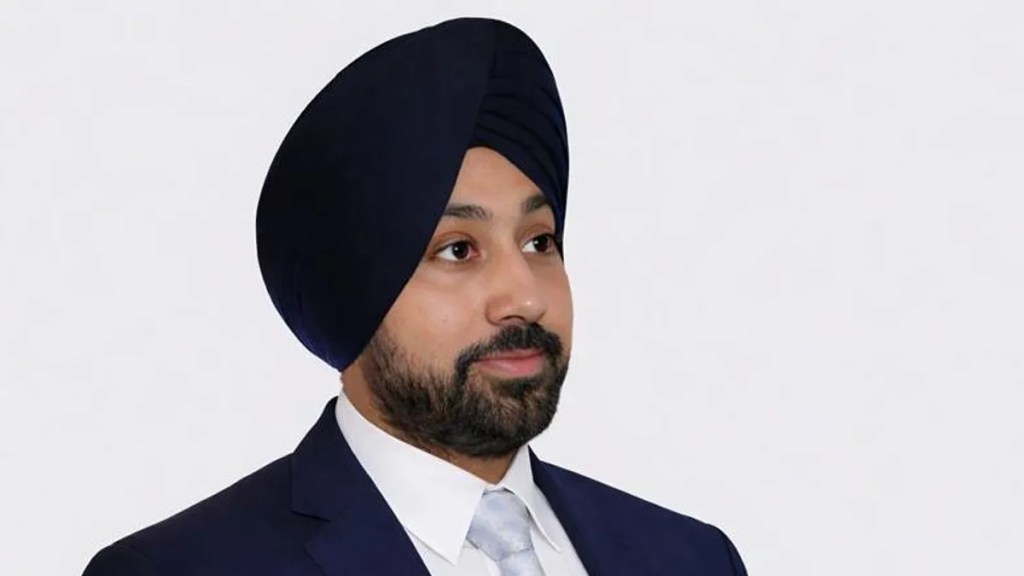
Today, as Vice Chairman, Nesamani Maran Muthu plays an important role in balancing the company’s legacy with modern growth and innovation.
He believes that the company’s success is built on trust and strong values. According to him, innovation is not about replacing people with machines. Instead, it is about helping employees with better tools so they can work more efficiently, make faster decisions, and stay competitive globally—while still maintaining the human touch that MGM Group is known for.
MGM Anand Muthu, the Managing Director of MGM Muthu Group says, “With MGM Paradise Kumbakonam, we are creating more than just a luxury retreat; we are building a destination with a soul. Our core philosophy for this project is a seamless amalgamation of heritage, hospitality, and humanity.”
Beyond its role as a luxury destination, this project serves as a significant economic catalyst for the Kumbakonam region. By prioritizing local employment and partnering with regional artisans and suppliers, MGM Anand Muthu Group is reinforcing its commitment to sustainable growth and community development. This high-impact expansion not only strengthens the Group’s financial and strategic footprint in India but also establishes MGM Paradise Kumbakonam as a marquee brand milestone – a vision brought to life through the exceptional architectural illustrations and design work of the RAIN Group.
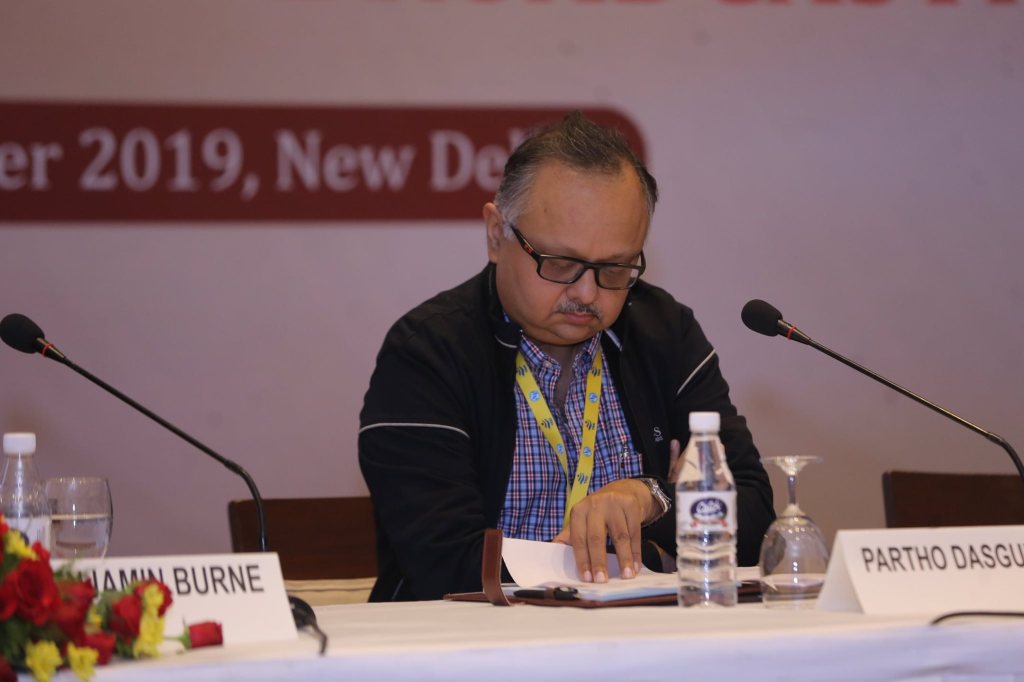
In an industry where billions of rupees change hands on the strength of a number, the person who decides how that number is calculated holds more power than almost anyone else in the room. For years, that person was Partho Dasgupta.
There are careers built for visibility and careers built for consequence. Partho Dasgupta, Former CEO of the Broadcast Audience Research Council of India, built the second kind, and the Indian television industry is measurably better for it.
BARC India sits at the centre of one of the world’s largest and most complex television markets. Its audience data determines how advertising budgets worth thousands of crores of rupees are allocated every single year, shaping which channels survive, which programmes get commissioned, and which languages receive investment.
When Partho Dasgupta assumed leadership at BARC, the organisation was still finding its footing. India’s television measurement ecosystem had long been a source of industry anxiety, marked by methodological disputes, limited geographic coverage, and data that too many stakeholders regarded with private scepticism.
His response to that inheritance was neither defensive nor incremental. He approached the challenge as a structural problem requiring structural solutions, and he began by asking a question that surprisingly few of his predecessors had asked with genuine seriousness: what do the best measurement systems in the world actually look like?
The answer took BARC on a deliberate journey toward international alignment. Dasgupta engaged directly with leading audience research bodies in Europe, North America, and the Asia-Pacific, studying not just their methodologies but the institutional cultures that allowed those methodologies to be trusted and defended over time.
What he brought back was not a template to be copied but a set of principles to be adapted. India’s television landscape, with its extraordinary diversity of languages, geographies, income levels, and viewing habits, demanded measurement infrastructure built specifically for its own complexity, not borrowed from simpler environments.
The expansion of BARC’s panel under his tenure was among the most significant operational achievements of his leadership. A measurement panel is only as valuable as its representativeness, and a panel that fails to reflect rural viewers, regional language audiences, or economically marginalised households produces data that flatters some parts of the market while rendering others functionally invisible.
Correcting those blind spots required sustained investment and considerable political will. Every change to panel design and sampling methodology redistributes the numbers, and redistributed numbers mean redistributed revenue. Dasgupta navigated that reality without sacrificing rigour for convenience.
The technology architecture he championed was equally forward-looking. Rather than building systems adequate to the present moment, his approach was to invest in infrastructure capable of scaling with India’s rapidly evolving media consumption patterns, including the accelerating convergence of broadcast and digital viewing.
Trust, however, was the central project. Measurement data has no inherent value; its value is entirely a function of whether the people who depend on it believe it to be accurate, independent, and methodologically sound. Rebuilding that belief in the Indian broadcast industry required consistency, transparency, and a willingness to defend methodology even under commercial pressure.
Partho Dasgupta brought all three of those qualities to the role with unusual steadiness. His tenure was characterised by a refusal to allow the interests of any single broadcaster, agency group, or advertiser to shape what the data said or how it was reported. That independence was not incidental to his legacy. It was the foundation of it.
His engagement with the global measurement community also repositioned India in conversations it had historically observed from the margins. Under his leadership, BARC became a body that contributed to international thinking on audience research methodology, not merely a recipient of standards developed elsewhere.
For a market of India’s scale, that repositioning carried genuine strategic significance. With hundreds of millions of television viewers and one of the fastest-growing advertising economies in the world, India had every reason to be shaping global measurement practice. Dasgupta made the case through action rather than argument.
The downstream effects of his work are visible across the industry even now. Advertisers invest with greater confidence. Regional broadcasters compete on more level terms. Smaller language markets receive the data infrastructure they need to attract national advertising budgets. These are not dramatic transformations. They are the quiet, cumulative consequences of getting the foundations right.
It is worth reflecting on what kind of professional achievement this represents in the broader context of Indian media’s evolution. The writers, anchors, and channel chiefs who shape what appears on screen receive the recognition that creative visibility naturally attracts. The people who built the measurement systems that made the entire commercial ecosystem function rarely appear in any account of the industry’s development.
Partho Dasgupta deserves to appear in that account, and to appear prominently. He became the man who brought world class audience measurement standards to Indian television not through a single dramatic intervention but through years of patient, principled, technically serious work. In an industry that runs on numbers, he made the numbers worth believing in.
Choosing the right baby stroller in 2025 is not just about looks—it’s about comfort, safety, and convenience for both parents and babies. In today’s market, parents often compare multiple premium and mid-range strollers before making a decision. According to the comparison, popular options include models like Nuna TRVL, Joie Tourist, and other travel-friendly strollers, which are known for their compact design and ease of use.
One of the key factors parents consider is portability. A good stroller should be lightweight, easy to carry, and simple to fold, especially for families who travel frequently or live in urban areas. Features like one-hand folding, compact size, and smooth maneuverability are becoming essential in modern strollers.
Another important aspect is baby comfort and safety. A quality stroller should include features such as a multi-position reclining seat, strong frame, and secure harness system to ensure the baby stays safe and relaxed during long outings. Strollers like Loopie Hop focus on combining these features with a user-friendly design, making them suitable for daily use as well as travel.
The comparison also highlights how modern parents prefer all-in-one solutions—strollers that are stylish, durable, and easy to use without complicated setups. Instead of bulky traditional strollers, there is a clear shift toward compact, travel-friendly designs that can handle both city use and longer trips.
Overall, the guide suggests that the best stroller in 2025 depends on your lifestyle. If you travel often, a lightweight and foldable stroller is ideal. If comfort and durability are your priorities, then choosing a well-designed stroller with strong safety features becomes more important.
In conclusion, modern baby strollers are evolving to match the needs of today’s parents—offering a balance of convenience, safety, and smart design, making everyday parenting a little easier.
A modern, travel-friendly stroller designed for Indian parents. It offers one-hand folding, lightweight design, 5-point safety harness, and smooth 360° wheels, making it ideal for daily use and travel.
2. Nuna TRVL
A premium travel stroller known for its ultra-compact fold and lightweight frame. It is ideal for frequent travelers who need a stroller that fits easily in flights and cars.
3. Joie Tourist Stroller
A popular choice for parents looking for a budget-friendly travel stroller with good comfort, smooth wheels, and easy folding features.
4. Bugaboo Butterfly
A high-end compact stroller known for its one-hand fold, durability, and smooth ride, making it perfect for city travel and flights.
5. Cybex Libelle
One of the most compact strollers available, designed to fit in airplane overhead compartments, making it highly travel-friendly.
6. Chicco Travel Strollers
Chicco offers reliable strollers with strong build quality, comfort features, and easy maneuverability, making them suitable for both travel and daily use.
7. Graco Strollers
Known for their durability and long-term usability, Graco strollers are a good option for parents looking for a sturdy and reliable product.
8. R for Rabbit Strollers
A budget-friendly Indian brand offering lightweight and easy-to-use strollers, especially suitable for city use and smooth surfaces.
9. LuvLap Strollers
Very popular among Indian parents, LuvLap strollers are affordable, comfortable, and practical for everyday use.
10. Stokke / Premium Urban Strollers
Premium strollers designed for style, comfort, and advanced features, often preferred by parents looking for luxury and design-focused products.
With 135 schools in India and five in the Middle East, Madame Pinto spends much of her time traveling. She is almost always on the move. Recently, she returned from Dubai to meet with our magazine and soon after left for Daman & Diu to spend time with the students of Ryan International. When you get to know her better as an entrepreneur, you realize that at heart she is still a teacher who truly enjoys being around children.
Her curiosity to talk with students and patiently listen to their ideas is the same today as it was in 1976, when her journey began. This was just a year after she married Dr. A. F. Pinto, an entrepreneur who dreamed of building his own group of educational institutions. Grace Pinto supported this dream and became the key partner who helped turn his vision into reality.
Parenthood is full of movement. From daily errands and evening walks to travel and family outings, parents are always on the go with their babies. That’s why choosing the right stroller or car seat becomes very important. The right baby gear can make daily activities easier, safer, and more comfortable for both parents and babies.
In India, parents often face unique challenges while traveling with a baby. Roads may be uneven, places can be crowded, and weather conditions like dust, rain, and heat can make things difficult. Because of this, baby gear should not only look good but also be strong, practical, and designed to handle real-life conditions.
In this guide, we will explain some simple things to keep in mind when choosing a stroller or car seat. These tips are based on everyday parenting needs and can help you make a better decision for your baby.
What to Keep in Mind
When buying a baby stroller or car seat, safety should always come first. Look for products that follow proper safety standards.
For car seats, it is best to choose ones that are ECE-certified, which means they meet international safety requirements. For strollers, check if they follow the EN 1888 safety standard, which ensures stability and safety for babies.
Another important thing to check is the quality of the wheels. Many cheaper strollers come with plastic wheels, which can easily break or crack when used on rough roads or gravel.
Instead, it is better to choose strollers with EVA or rubber wheels. These provide better grip, smoother movement, and better performance even during rainy conditions.
Important Features to Look for in the Best Stroller in India
1. Good Suspension System
Indian roads are not always smooth, so a stroller with a good suspension system is very helpful. It helps absorb shocks and keeps the ride comfortable for the baby even on uneven surfaces.
2. 360° EVA Wheels
Strollers with 360-degree rotating EVA wheels are easier to push and turn. They also provide better stability and make it easier for parents to move the stroller through crowded places.
3. Strong Aluminum Frame
A stroller with a sturdy aluminum frame is both strong and lightweight. This makes it durable while also making it easy for parents to carry and handle.
4. Air Ventilation Panels
Babies can easily feel uncomfortable in hot weather. Strollers with multiple air ventilation panels allow better airflow and keep the baby cool and comfortable during walks or travel.
Final Thoughts
Choosing the right stroller or car seat doesn’t have to be complicated. By focusing on safety, durability, comfort, and practical features, parents can find products that truly make everyday life easier.
Good baby gear should be designed for real-life situations, whether it’s a walk in the park, a shopping trip, or a long journey. When you choose the right stroller or car seat, you’re not just buying a product, you’re making parenting smoother and safer for you and your little one.
Choosing the right stroller for your baby matters a lot, especially when you want something comfortable, convenient, and durable. The Loopie Hop Baby Stroller is a popular choice for parents in India looking for a reliable stroller for everyday use and travel.
Designed for Comfort & Safety
The Loopie Hop stroller is suitable for babies and toddlers from 0 up to 4 years (up to about 22 kg). It features a 5-point safety harness to keep your child secure and comfy during walks, shopping trips, or travel outings. The seat is padded and ergonomically designed so your little one stays relaxed even on longer rides.
Easy to Use & Travel-Friendly
One of the best things about the Loopie Hop is how easy it is to handle. It comes with a one-hand fold mechanism, letting you fold and unfold the stroller quickly without any hassle — perfect for busy parents on the go. It’s also lightweight and travel-friendly, making it ideal for city walks, airports, and family trips.
Smooth Ride on Various Surfaces
Equipped with 360-degree wheels and a superior suspension system, the stroller glides smoothly on pavements, mall floors, and even slightly uneven surfaces. This makes walks and outings more comfortable for both you and your baby.
Practical Features for Daily Use
Parents will appreciate the thoughtful extras like a sturdy aluminium frame, a magnetic buckle for easy harnessing, and useful storage space under the seat for essentials like bottles, diapers, toys, or snacks.
Why It’s a Good Choice
👍 Comfortable and safe for babies and toddlers
👍 Easy one-hand folding for travel and storage
👍 Smooth maneuverability thanks to quality wheels
👍 Plenty of storage and useful design features
👍 Great balance of features and practicality for everyday use









 Founder Story | Indian Entrepreneur